Why DIY Water Leak Checks Fail
A quick search for "leak detection near me" turns up plenty of tips for checking taps, meters and damp patches. Some work for obvious problems, but hidden leaks rarely play by simple rules. In older homes, rentals and commercial sites, guesswork causes damage, delay and higher bills. This guide explains why DIY checks miss the mark, how specialists pin down faults with non-invasive gear, and when to call professionals before the problem spreads.
The Limits Of DIY Meter Tests
The standard advice is to shut off fixtures, read the water meter, then check again later. Useful, but limited.
- Shared supply lines or faulty stop taps can skew the reading
- Small weeps may sit below the meter’s sensitivity
- Intermittent faults only show when appliances cycle or soil shifts
- A slow increase might confirm a leak, not where it is
You end up knowing water is going somewhere without a clue about the path through slabs, walls or garden runs.
Hidden Leaks Are Not Where The Water Shows
Moisture follows the easiest route, not a straight line. Stains on a ceiling might come from a roof penetration five metres away. A wet skirting board can be the end point of a pipe leak on an upper level. Chasing the mark with a saw is how DIY turns into patchwork. Specialists map moisture pathways first, then test upstream, which saves time and avoids cutting blind.
Slab Leaks Need More Than Guesswork
Concrete slabs hide hot and cold lines, plus conduits and control cables. Drilling at random risks power, data or structural steel. Professional leak detection teams use:
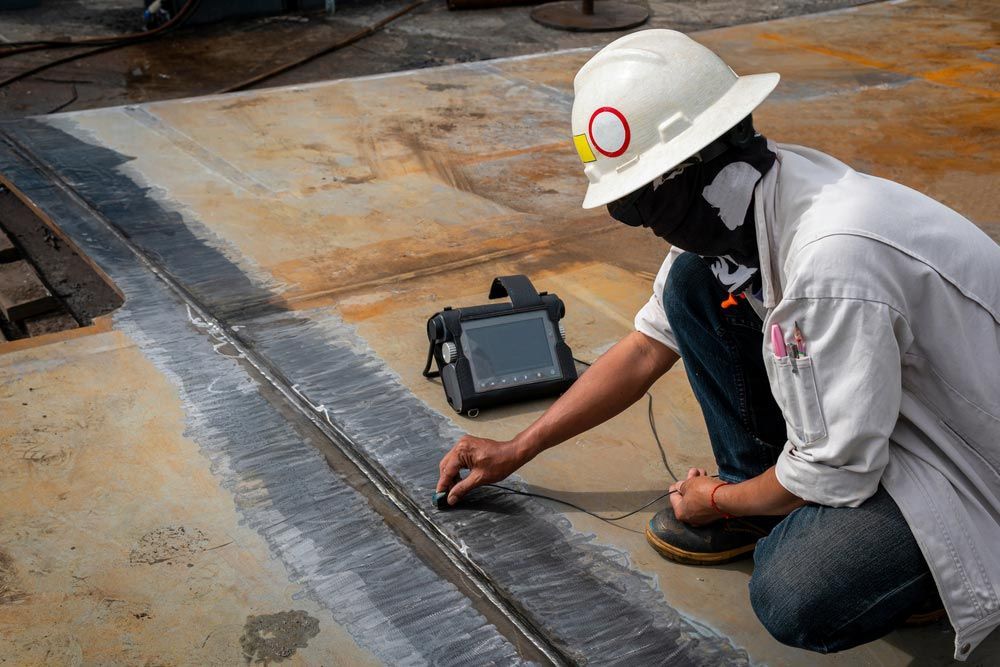
- Acoustic listening to pick up leak signatures through concrete
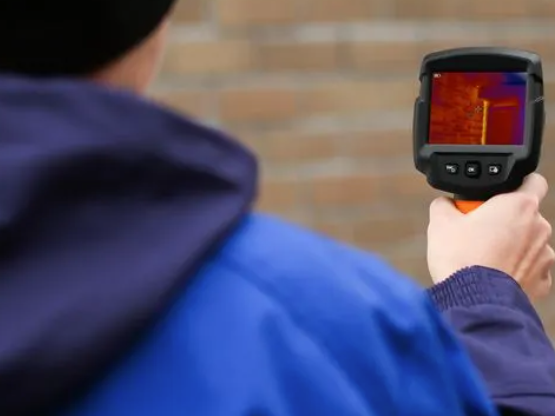
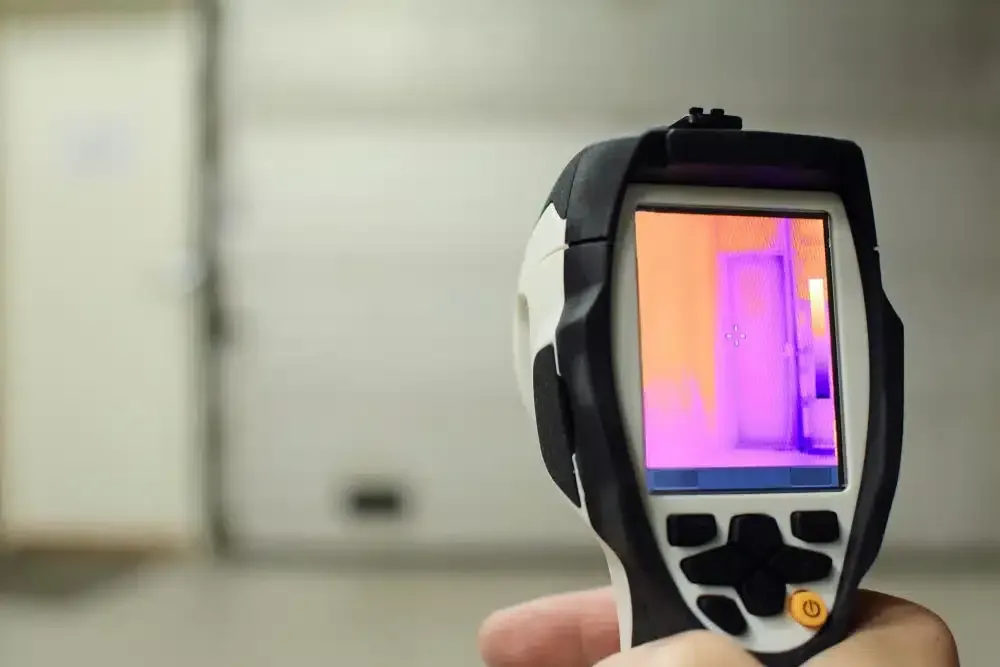
- Thermal imaging to trace heated lines and temperature anomalies
- Tracer gas to reveal pinholes in buried or encased pipes
- Pressure isolation to narrow faults to a single circuit
The aim is to mark a repair point the size of a dinner plate, not lift half a floor.
Non-Invasive Diagnostics Protect Finishes
Pulling tiles or cutting plaster costs more than the plumbing repair. Non-invasive tools read through surfaces, which means fewer holes and faster reinstatement.
- Moisture meters track damp migration without opening walls
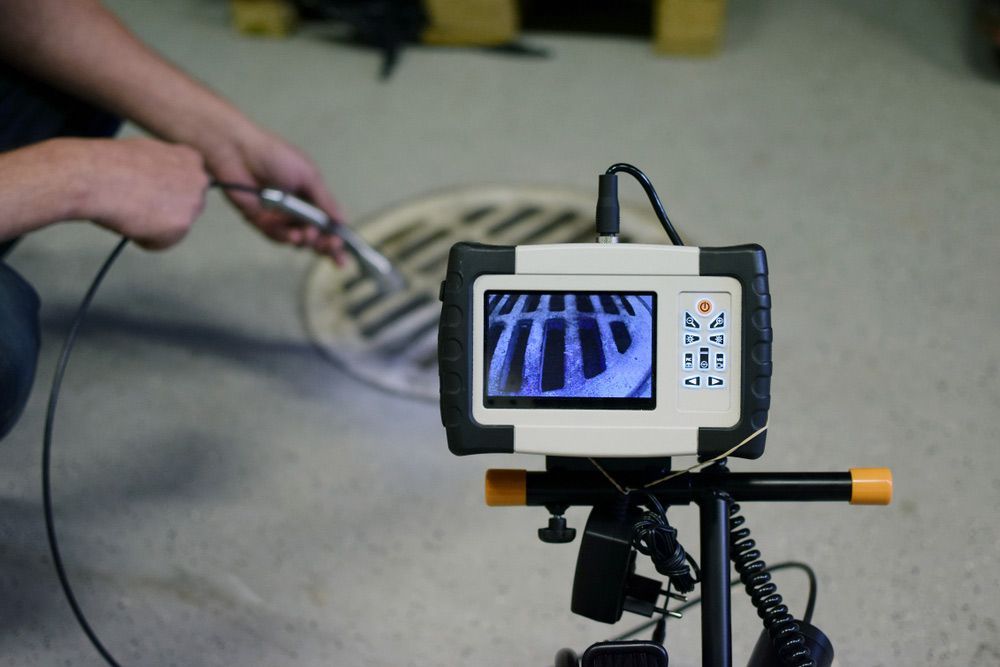
- Borescopes view cavities through a pinhole
- Dye tests separate shower screen leaks from pipe faults
- Data logging captures intermittent pressure drops over time
Less disruption keeps tenants happy and commercial spaces trading.
False Positives Waste Money
DIY testing often confuses condensation, rising damp or drainage issues with pressurised pipe leaks. Common traps include:
- Shower recesses where failed membranes mimic a pipe fault
- Air-conditioning condensate lines that overflow under load
- Blocked stormwater pushing moisture back into subfloors
- Landscaping sprinklers saturating slab edges
A licensed technician will separate plumbing supply leaks from building envelope or drainage problems so you only fix what is actually broken.
Safety & Compliance Risks
Homeowners and handypersons face hidden hazards when they open building fabric.
- Drilling into live wiring or gas lines
- Cutting asbestos-containing materials in older properties
- Breaching fire-rated walls in units
- Voiding insurance by performing unlicensed work
Specialists carry the right licences, isolate services safely and document the job for owners and insurers.
Why “Plumber Near Me” Is Not Enough
Any plumber can tighten a fitting. Finding the source of a concealed leak is different work. When you book, ask about:
- Dedicated leak detection equipment and methods
- Experience with slab leaks, multi-storey buildings and strata
- Written reports with photos for insurance
- Ability to make-safe on the day and plan permanent repairs
A focused team will arrive ready to diagnose first, then repair with minimal cutting.
Landlords & Strata: Speed Matters
Every day a leak runs, the cost rises. Timely detection protects structures and relationships.
- Rentals: Reports help owners approve repairs quickly and show tenants the issue is being handled
- Strata: Clear evidence limits disputes between lots, common property and insurers
- Shops & offices: Pinpointing faults after hours keeps trading on track
Fast, documented action is the difference between a small patch and weeks of remedial work.
Case Patterns We See In Tweed Heads
- Bathroom damp with no visible leak: Failed shower membrane, not a burst pipe. Seal and reline rather than re-plumb the lot
- Warm floor stripe in winter: Hot water line leak under slab. Thermal camera confirms route, acoustic gear marks the dig point
- Spike in usage after rain: Not a supply leak. Subsoil drainage backing up into a wall cavity. Fix stormwater, not the plumbing
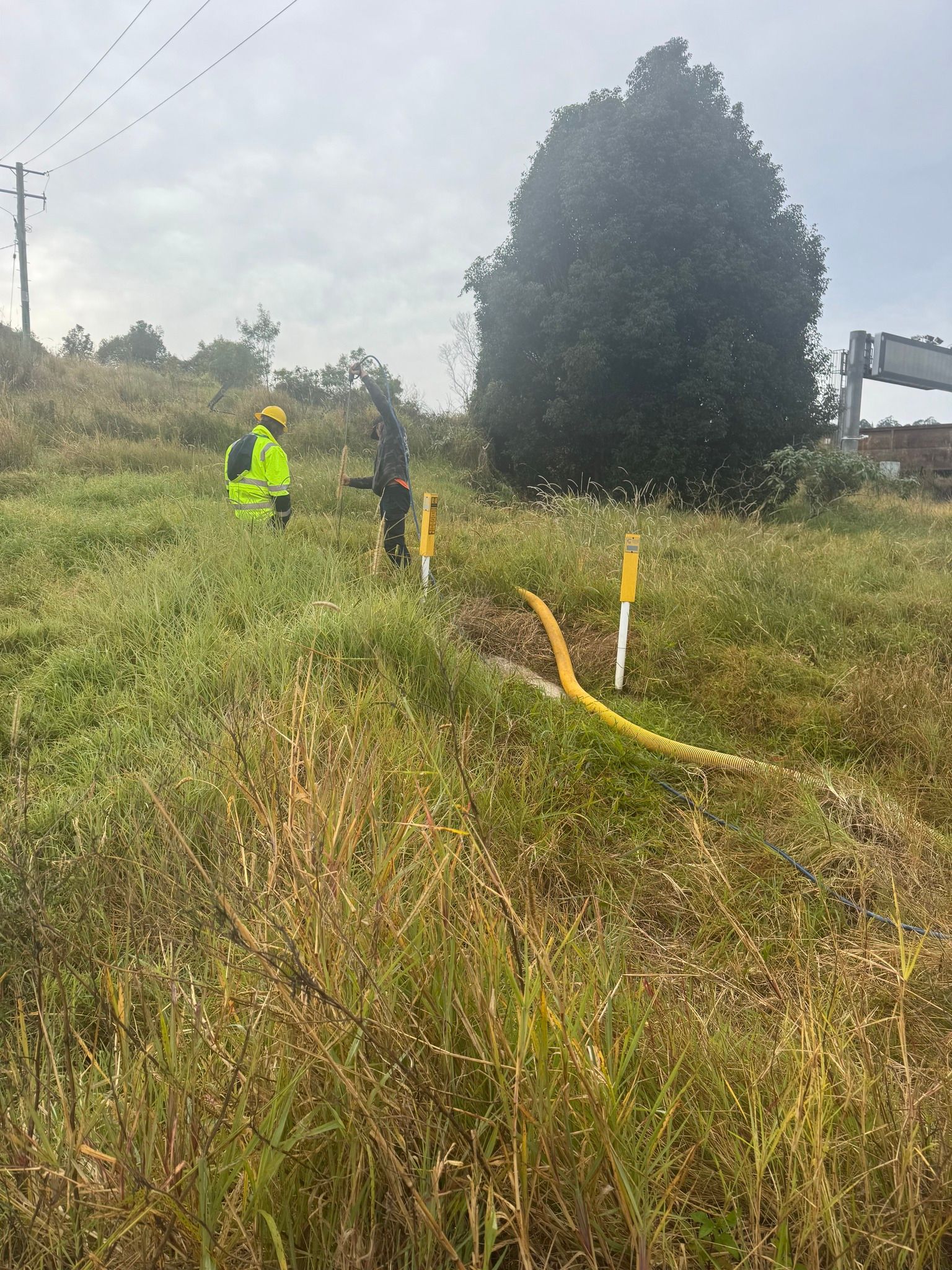
- Garden sinkholes near driveways: Split irrigation or old galvanised lines corroding underground. Tracer gas and isolation find the exact joint
Each looks like “a leak” to the eye, yet the fixes are completely different.
The Real Cost Of Trial And Error
Opening the wrong section once or twice seems minor until you add up plaster, paint, tiles, waterproofing, time off work and rent relief. Professional detection replaces trial and error with a map and a plan, which usually makes the repair cheaper overall. It also gives you a record for warranty or insurance, which DIY cannot provide.
A Simple Call-Out Workflow That Works
- Triage: Describe symptoms, meter behaviour and building type
- On-site isolation: Split hot, cold and fixture groups to locate the culprit line
- Non-invasive testing: Acoustic, thermal and moisture mapping to mark the point
- Make-safe: Shut off the affected line or install a temporary bypass if needed
- Repair plan: Fixed-price quote for targeted access and reinstatement
- Report: Photos, readings and findings for your files or insurer
This approach saves surfaces and shortens the path from worry to fix.
Preventive Checks That Actually Help
Skip the guesswork and focus on habits that reduce risk:
- Read your meter monthly and compare bills quarter to quarter
- Inspect external walls, slab edges and garden lines after heavy rain
- Service pressure limiting valves and hot water systems on schedule
- Maintain shower seals and grout to keep water where it belongs
- Keep irrigation zones labelled and test one by one for silent leaks
When something looks off, call early. Small leaks become structural problems if left to creep.a
Book Tweed Heads Leak Detection
At
Tweed Heads Leak Detection, we find and fix concealed faults with non-invasive testing, clear reports and targeted repairs. If you have rising bills, damp patches or a warm stripe on the floor and you are searching for a
plumber, visit
tweedheadsleakdetection.com.au to book. We will isolate the problem, mark the repair point and get your home or premises back to normal with minimal disruption.