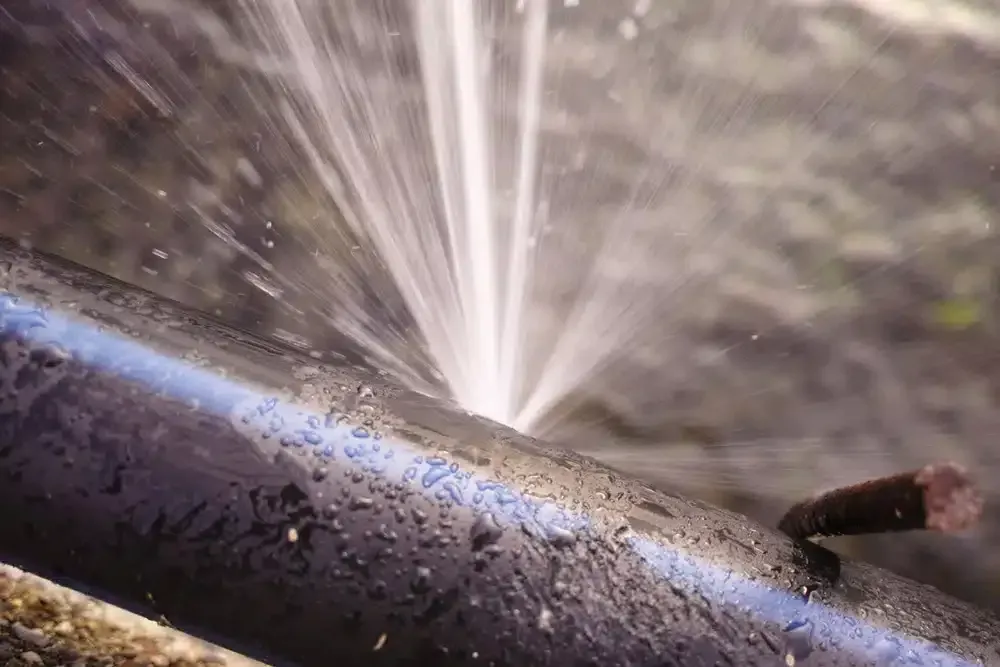
Hidden Water Leaks In Tweed Heads: The Most Common Causes
It often starts with something subtle. A water bill that seems higher than usual. A faint damp smell that does not go away. A patch of lawn that stays greener than the rest. Hidden water leaks rarely announce themselves with dramatic flooding. More often, they work quietly behind walls, beneath slabs or underground, causing gradual damage that becomes expensive if ignored.
For homeowners and property managers, understanding the most common causes of hidden leaks is the first step towards protecting a property. Many of these issues develop over time and remain out of sight until structural damage, mould growth or rising water costs draw attention to them. Professional leak detection services play a key role in identifying the source accurately and resolving it without unnecessary disruption.
Below are the most frequent causes of hidden water leaks in Tweed Heads and how they are properly located and managed.
Ageing & Corroded Pipes
One of the most common causes of concealed leaks is pipe corrosion. Over time, metal pipes can deteriorate due to water chemistry, pressure changes and general wear. Even small pinhole leaks can release significant volumes of water over weeks or months.
Older plumbing systems are particularly vulnerable, especially if galvanised steel or copper piping has been in place for decades. Corrosion can:
- Thin the pipe walls
- Create weak joints & fittings
- Lead to cracks that expand under pressure
- Cause discoloured water or reduced flow
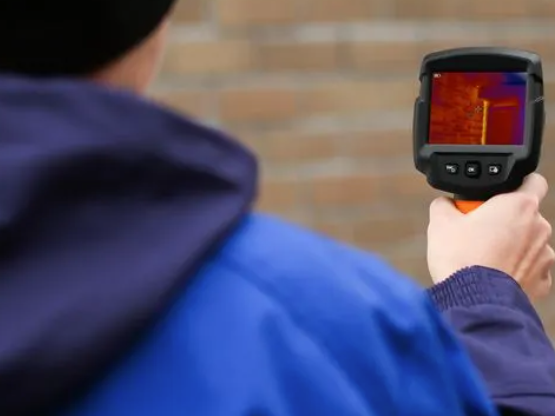
Because these leaks often occur behind walls or under floors, they are rarely visible at first. Professional leak detection services use acoustic listening equipment, thermal imaging cameras and pressure testing to locate the exact point of failure. This approach avoids unnecessary wall removal or excavation and allows for targeted repairs.
Early identification helps prevent structural timber damage, mould growth and slab deterioration.
Tree Root Intrusion in Underground Pipes
Tree roots are naturally drawn to moisture. Even a small crack in an underground pipe can attract roots searching for water. Once inside, they expand and create blockages, fractures or full pipe collapses.
Root intrusion is particularly common in:
- Older clay or earthenware sewer lines
- Pipes with loose or degraded joints
- Underground systems near large established trees
What begins as a minor seep can become a significant underground leak or recurring drainage issue. Signs may include slow drains, gurgling sounds or damp patches in the yard.
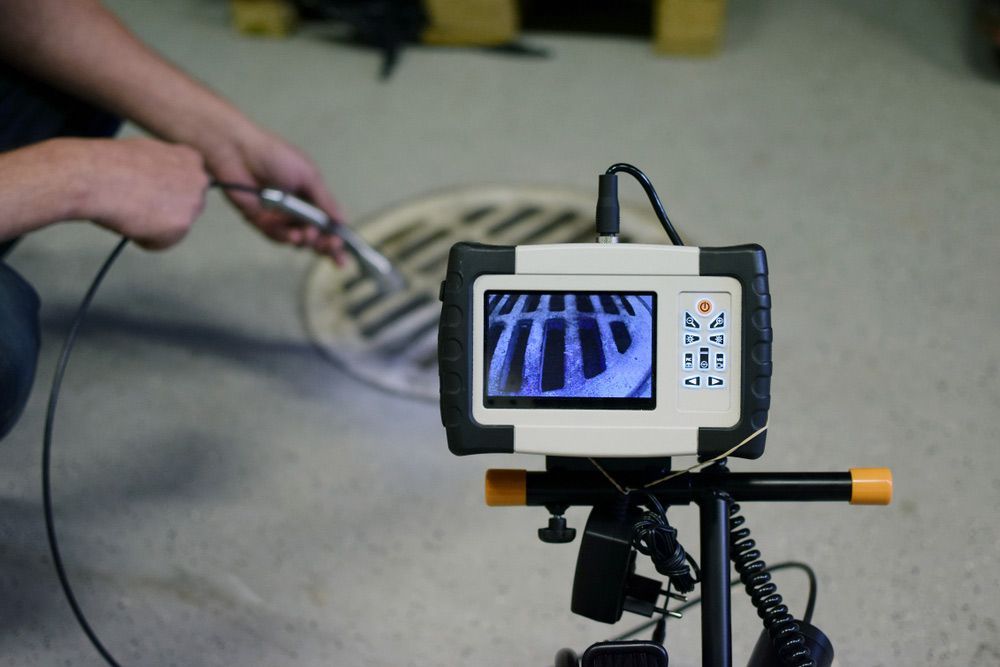
Leak detection specialists use advanced techniques such as CCTV pipe inspections and tracer gas testing to confirm root intrusion and determine the precise location of damage. This avoids unnecessary digging and allows repairs to focus only on the affected section of pipe.
Prompt attention prevents further pipe separation and reduces the risk of soil erosion beneath foundations or paved areas.
Faulty Fixtures & Internal Plumbing Fittings
Not all hidden leaks originate from main water lines. Internal fixtures and fittings are frequent culprits, especially when seals or connections deteriorate over time.
Common sources include:
- Leaking toilet cisterns
- Worn tap washers or mixer cartridges
- Loose flexi-hoses under sinks
- Faulty shower waterproofing membranes
These leaks may drip slowly into cabinetry, wall cavities or subfloors. Because they are concealed, they can cause damage to joinery, plasterboard and insulation before being noticed.
Professional leak detection services conduct detailed inspections of bathrooms, laundries and kitchens using moisture meters and thermal imaging. This identifies hidden dampness without pulling apart fixtures unnecessarily.
Accurate detection ensures repairs address the actual source rather than treating visible symptoms such as mould or peeling paint.
Poor Installation or Workmanship
Plumbing systems rely on correct installation to function safely and efficiently. When pipes are poorly joined, inadequately supported or incorrectly sealed, leaks can develop much earlier than expected.
Installation-related problems may involve:
- Incorrect pipe gradients
- Loose compression fittings
- Inadequate waterproofing in wet areas
- Poorly sealed penetrations through slabs or walls
These issues may not become apparent until months or years after construction or renovation. For property managers, recurring leaks in newer buildings often point to workmanship concerns.
Leak detection professionals apply pressure testing and systematic isolation methods to identify sections of plumbing that fail under normal operating conditions. By isolating individual lines, it becomes clear whether the issue lies with a specific installation fault.
Accurate reporting also assists when addressing warranty claims or rectification works.
Slab Leaks Beneath Concrete Foundations
Slab leaks occur when water pipes running beneath a concrete foundation develop cracks or breaks. Because the pipe is concealed under solid concrete, the leak can go undetected for extended periods.
Indicators may include:
- Warm spots on flooring
- Damp or lifted floor coverings
- Cracks in walls or flooring
- Unexplained increases in water usage
Slab leaks can weaken foundations if left untreated. Water escaping beneath the slab may cause soil movement, which in turn leads to structural stress.
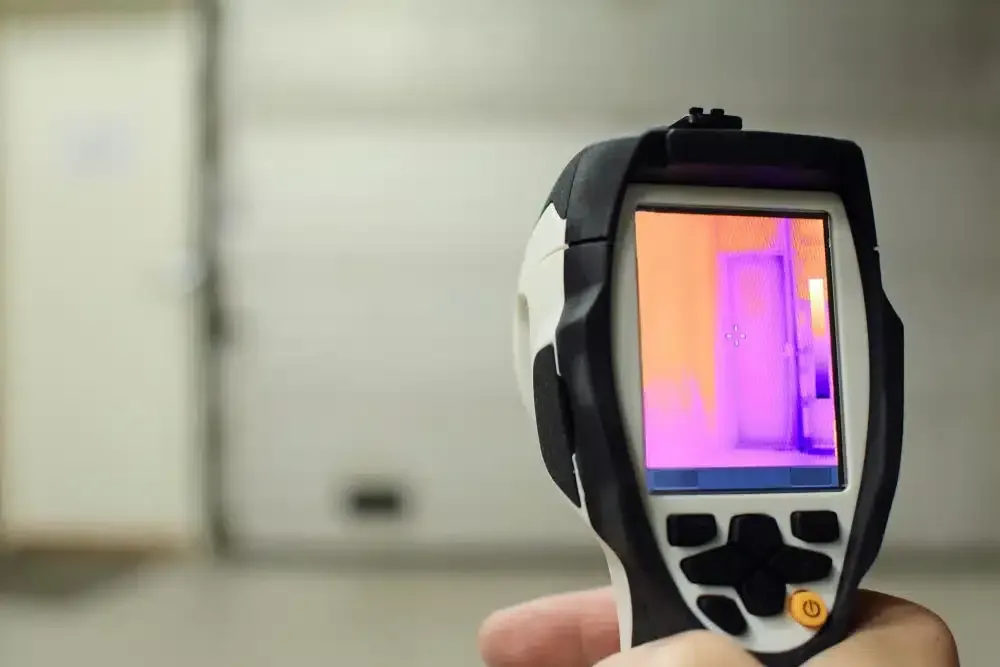
Professional leak detection services use acoustic equipment, thermal imaging and pressure monitoring to pinpoint slab leaks with minimal invasive work. This allows plumbers to access only the necessary section rather than cutting large areas of flooring.
Early detection limits structural impact and reduces repair costs significantly.
High Water Pressure & System Stress
Excessive water pressure places strain on pipes, joints and appliances. While strong water flow may seem convenient, sustained high pressure increases the likelihood of leaks forming in hidden sections of the system.
Over time, pressure-related stress can:
- Weaken pipe joints
- Damage appliance hoses
- Cause small cracks in fittings
- Shorten the lifespan of plumbing components
Many property owners are unaware that their water pressure exceeds recommended levels. Leak detection specialists can test system pressure and identify areas under abnormal stress.
Where required, pressure-reducing valves can be installed to protect the plumbing network. Addressing pressure issues not only prevents leaks but also reduces wear on hot water systems and other connected fixtures.
Deteriorating Waterproofing in Wet Areas
Bathrooms, laundries and balconies rely on waterproof membranes to prevent moisture from seeping into surrounding structures. When these membranes fail, water can escape behind tiles and into wall cavities or subfloors.
Waterproofing issues may result from:
- Ageing membrane materials
- Incorrect installation
- Structural movement
- Cracked grout and tiles
The leak may not originate from a pipe at all, making it harder to diagnose without professional assessment. Moisture meters and thermal cameras help determine whether water is escaping from plumbing or through compromised waterproofing.
Accurate diagnosis ensures repairs target the correct source, whether that involves plumbing rectification or membrane replacement. This avoids unnecessary pipe work and prevents ongoing hidden moisture damage.
Undetected Leaks in Irrigation & External Systems
Outdoor plumbing systems are frequently overlooked. Irrigation lines, outdoor taps and pool plumbing can develop hidden leaks underground or within landscaped areas.
External leaks may cause:
- Constantly wet soil
- Subsidence in paved areas
- Reduced irrigation performance
- Increased water bills without visible indoor damage
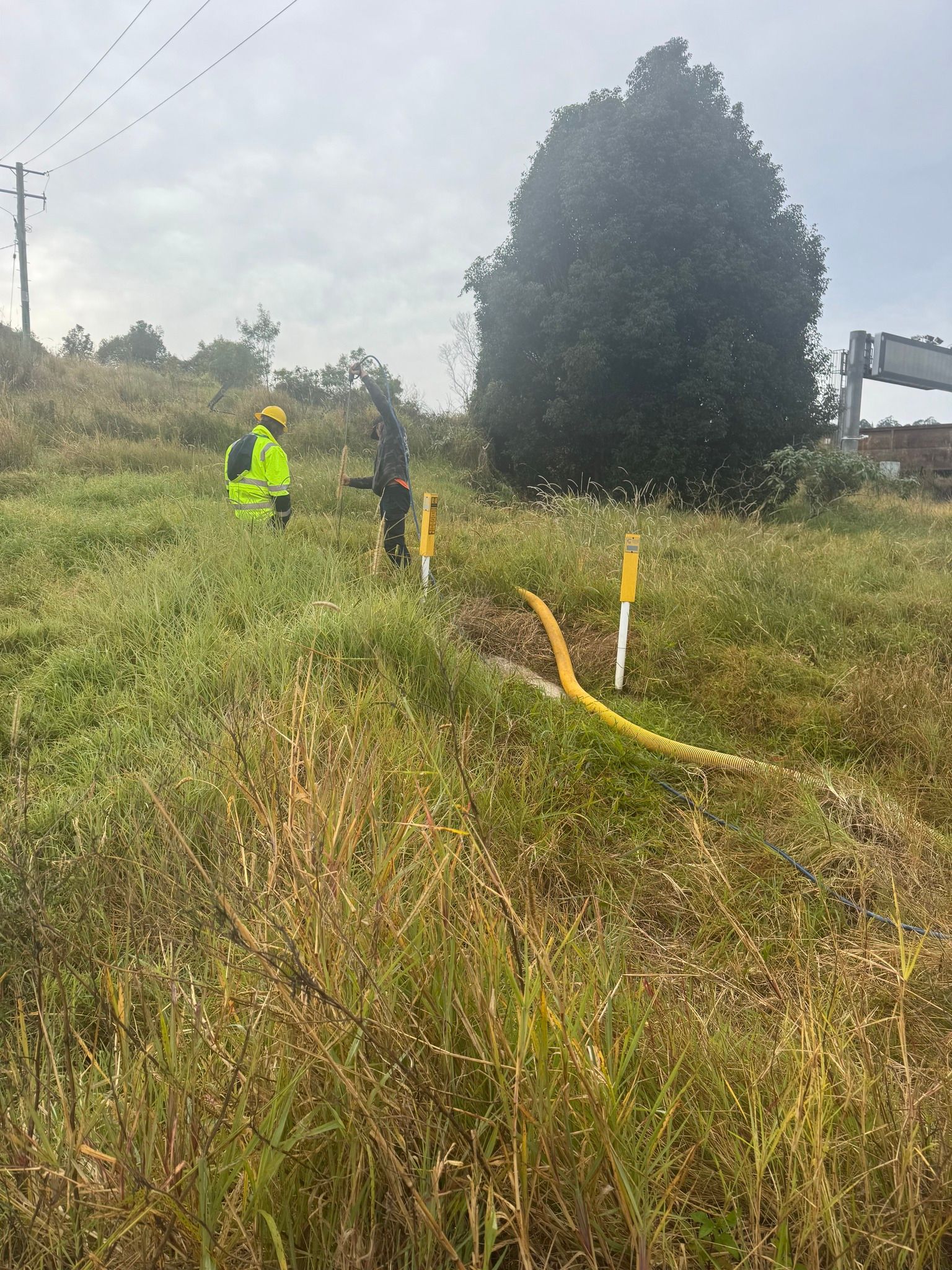
Because these systems operate away from the main building, signs are often dismissed or unnoticed. Leak detection professionals use tracer gas and acoustic tools to track leaks beneath lawns, driveways and garden beds.
Pinpoint accuracy means excavation is limited to the affected zone, preserving landscaping and reducing repair disruption.
Why Professional Leak Detection Matters
Hidden leaks rarely resolve themselves. The longer they remain undetected, the greater the risk of structural damage, mould growth and rising water expenses. For property managers overseeing multiple dwellings, minor undiagnosed leaks can compound into significant maintenance issues.
Modern leak detection services focus on non-invasive techniques designed to:
- Locate leaks without widespread demolition
- Identify the exact source rather than symptoms
- Provide clear reporting for repairs or insurance
- Reduce time & disruption during rectification
By combining technology with systematic testing, specialists can differentiate between plumbing failures, waterproofing defects and drainage problems. This precision prevents unnecessary work and ensures resources are directed where they are actually needed.
Expert Leak Detection for Peace of Mind
We at Tweed Heads Leak Detection understand how frustrating hidden water leaks can be for homeowners and property managers across Tweed Heads and the Northern Rivers. Our approach focuses on accurate, non-invasive detection that identifies the true source of the problem before repairs begin.
If you have noticed unexplained water usage, damp areas or recurring plumbing concerns, contact us today to arrange a professional leak assessment and protect your property from further damage.