Leak Detection For Older Homes In Tweed Heads: What Owners Need To Know
Got an older home and need leak detection in Tweed Heads? Ageing materials and outdated plumbing methods can make hidden leaks more likely over time. Many established homes were constructed at a time when plumbing systems were simpler, water demand was lower, and access for inspection was rarely considered. As a result, leaks can develop gradually and remain hidden behind walls, beneath floors or under concrete slabs for long periods without drawing attention.
This guide explains why ageing plumbing systems are more vulnerable to leaks and how corrosion and structural movement contribute to ongoing issues. It also outlines the warning signs owners should look out for and why early investigation of water leaks in Tweed Heads can help protect the long-term condition of older homes.
Why Older Homes Face Higher Leak Risks
Older homes were built to suit the standards, materials and expectations of their time. While many of these properties have stood the test of time structurally, their plumbing systems often experience natural decline.
Several factors increase leak risk in older homes, including ageing materials, outdated layouts and years of exposure to pressure fluctuations. Pipes may have exceeded their intended lifespan, while joints and fittings can loosen gradually with ongoing use.
Common contributors include:
- Pipe materials that deteriorate internally over decades
- Fittings and joints affected by repeated pressure changes
- Layouts not designed for modern water usage patterns
Leaks often form slowly rather than suddenly, allowing damage to accumulate quietly before owners realise there is a problem.
How Ageing Pipe Materials Deteriorate Over Time
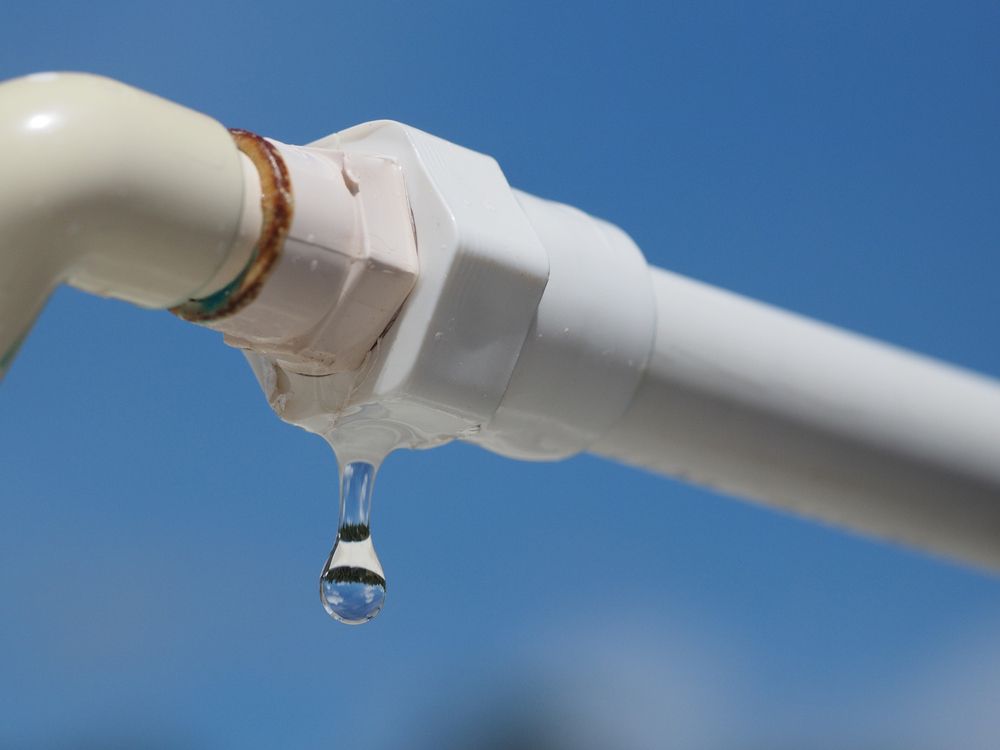
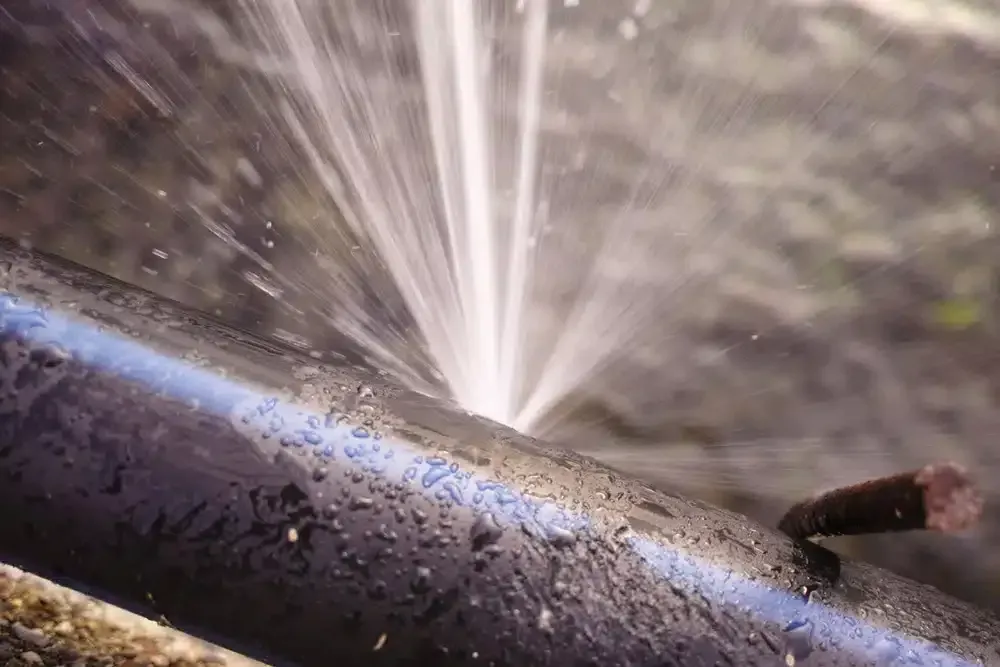
Pipe materials used in older homes behave very differently from modern plumbing products. Metal pipes, in particular, are susceptible to internal corrosion that weakens their structure from the inside out. Over time, pipes may thin, pit or develop small perforations that allow water to escape gradually. These pinhole leaks often release small amounts of moisture that spread through surrounding materials rather than producing obvious drips.
Material deterioration may involve:
- Corrosion-reducing pipe wall thickness
- Pitting that creates small but persistent leaks
- Mineral build-up that traps moisture inside the pipe
Because the damage occurs internally, pipes may look intact externally even while leaking, which is why detection often requires more than visual inspection.
The Role of Corrosion & Water Quality
Water quality plays a significant role in how quickly plumbing systems degrade. Minerals, sediment and long-term exposure to varying pH levels can all contribute to corrosion within pipes. In older systems, corrosion often progresses unevenly, weakening certain sections while others remain intact. This can result in fluctuating pressure and stress on joints, increasing the likelihood of leaks.
Long-term corrosion may lead to:
- Reduced pipe strength and flexibility
- Pressure inconsistencies throughout the system
- Increased risk of joint and fitting failure
Because these processes occur slowly, leaks related to corrosion are often well established by the time symptoms become noticeable.
How Structural Movement Affects Older Plumbing
Older homes can experience gradual structural movement due to soil conditions, moisture variation or natural settlement over time. Even small shifts can place strain on rigid plumbing systems that were not designed to flex. When foundations move, pipes may crack, joints may separate slightly or stress points may form where plumbing passes through walls or slabs. These weaknesses can allow water to escape slowly into surrounding materials.
Structural movement can result in:
- Cracked pipes beneath floors or concrete slabs
- Misaligned joints at wall or floor penetrations
- Ongoing stress at fixed connection points
Because these issues often occur out of sight, leaks can persist unnoticed while moisture continues to spread.
Why Leaks Remain Hidden in Older Properties
Many older homes lack the access panels and inspection points common in modern construction. Plumbing may be concealed behind solid wall linings, under original timber floors or within slab foundations.
Hidden leak locations often include:
- Beneath timber flooring or concrete slabs
- Behind plaster or masonry walls
- Within ceiling cavities under bathrooms or laundries
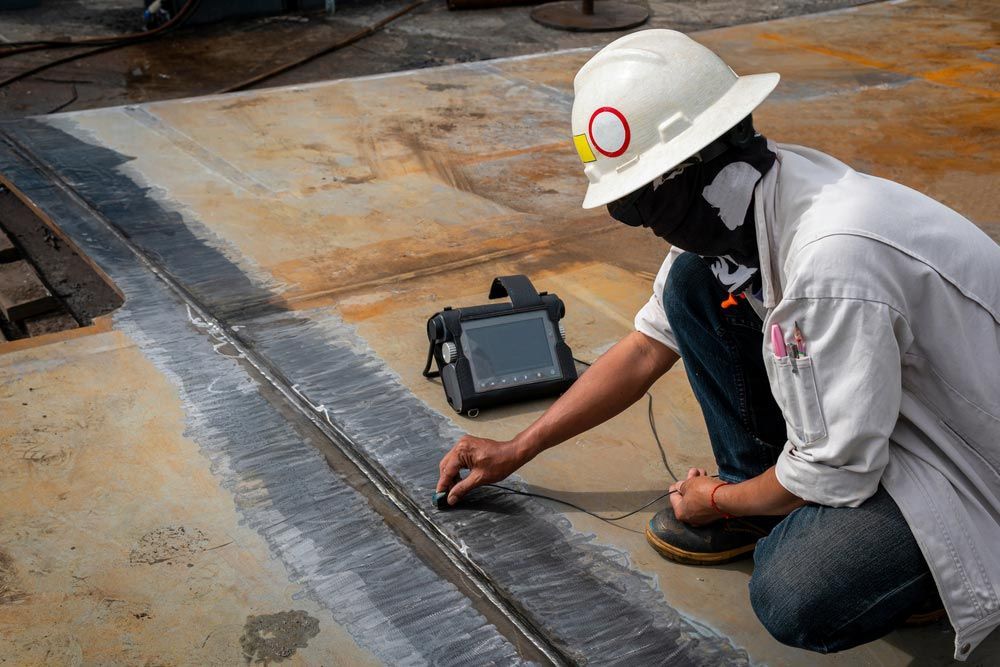
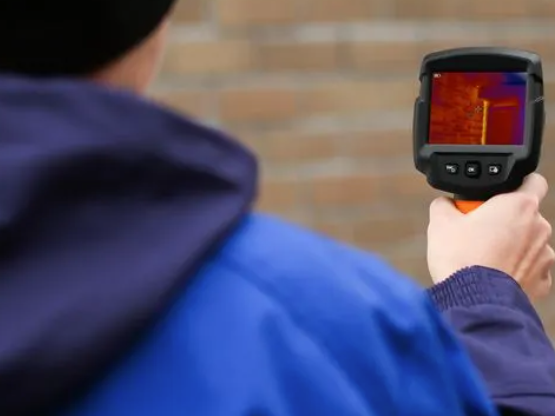
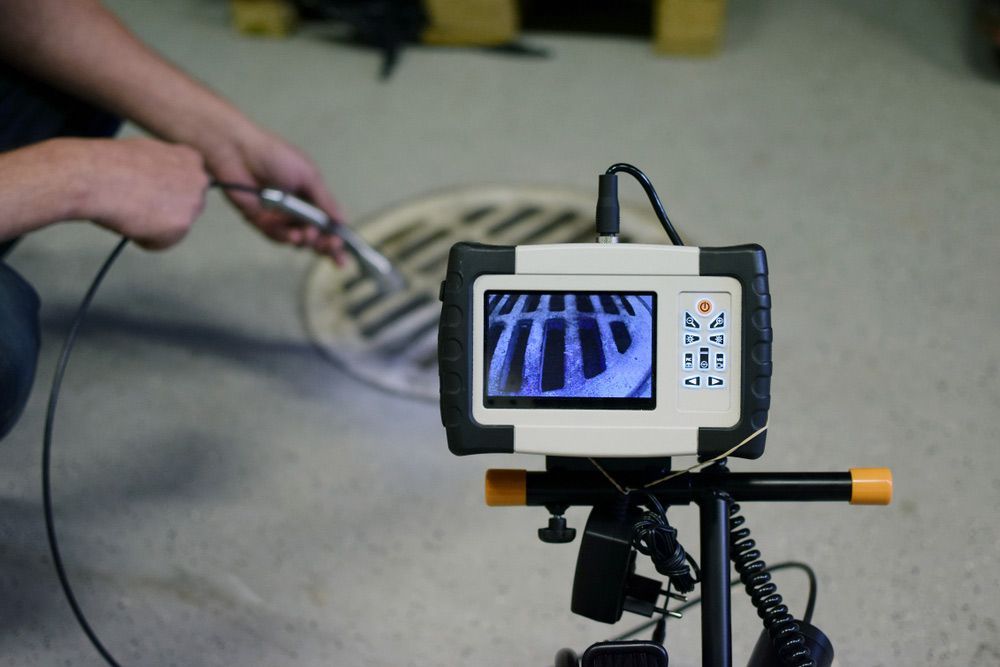
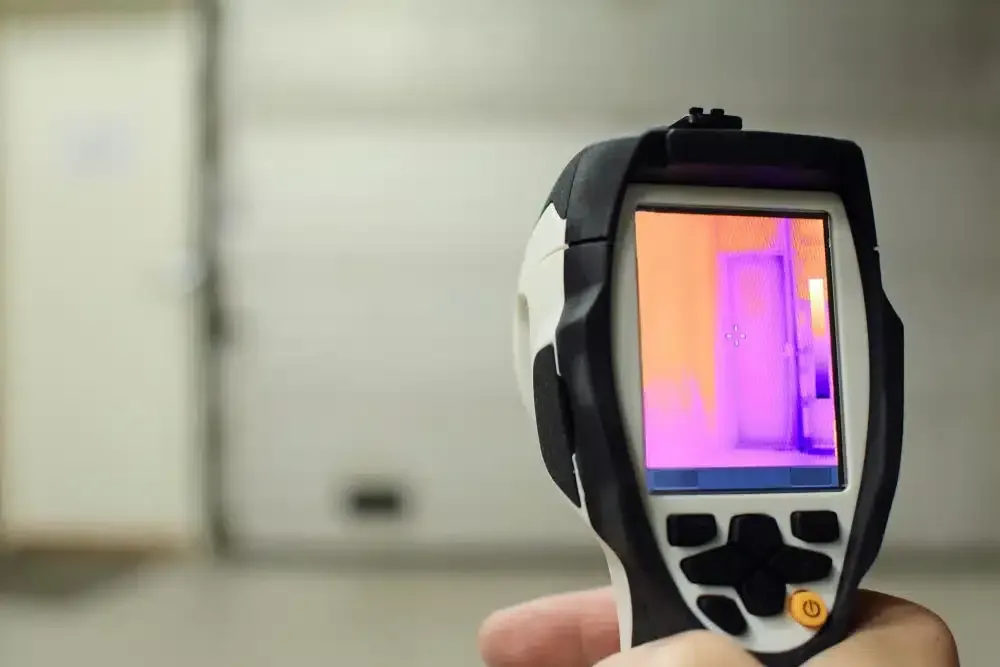
In these situations, identifying the source of a leak relies on understanding moisture patterns and pressure behaviour rather than simply opening walls at random. If you’re considering leak detection in Tweed Heads, this kind of targeted approach is particularly important for older properties.
Early Warning Signs Owners Should Pay Attention To
While leaks may remain hidden, older homes often show subtle signs that something is wrong. These indicators may appear gradually and are sometimes dismissed as general ageing issues rather than plumbing concerns.
Early warning signs may include:
- Unexplained increases in water usage
- Persistent damp, musty, or earthy smells
- Discolouration on walls, ceilings, or flooring
- Softening or swelling of timber elements
These symptoms do not always point directly to visible plumbing faults, but they often suggest that moisture is present where it should not be.
Why Non-Invasive Leak Detection Matters for Older Homes
Older homes often contain original materials that are costly, difficult or undesirable to disturb. Unnecessary demolition can increase repair costs and affect the character of the property. Non-invasive detection methods focus on locating leaks accurately without removing large sections of walls or floors. This allows issues to be identified while keeping disruption to a minimum.
Non-invasive approaches help by:
- Reducing unnecessary damage to original materials
- Providing clearer insight into leak location and spread
- Allowing targeted repairs rather than widespread demolition
For owners concerned about preserving older homes, this approach supports informed decision-making without excessive disturbance.
The Long-Term Risks of Ignoring Small Leaks
Even minor leaks can have serious long-term consequences if left unresolved. Continuous moisture exposure weakens building materials and creates conditions that affect both structural integrity and indoor comfort.
Potential long-term impacts include:
- Timber decay and structural weakening
- Mould growth affecting indoor environments
- Damage spreading into adjacent rooms and materials
When it comes to water leaks in Tweed Heads, addressing the problem early helps limit repair scope and reduces the likelihood of broader damage developing over time.
Planning Preventative Leak Checks for Older Homes
For owners of ageing properties, leak detection is often most effective when treated as preventative maintenance rather than a reaction to visible damage.
Preventative checks can help:
- Identify emerging issues before damage becomes visible
- Monitor known risk areas within the home
- Support long-term planning for plumbing maintenance
A proactive approach allows owners to manage leak detection as part of ongoing property care, reducing the risk of unexpected disruption and costly repairs.
Book Our Service – Professional Leak Detection in Tweed Heads
At Tweed Heads Leak Detection, we work with owners of older homes who are concerned about ageing plumbing, hidden moisture and unexplained water issues. Local building styles, long-standing pipe materials and environmental conditions all influence how leaks develop in established properties. To arrange an assessment or discuss concerns about potential leaks, visit https://www.tweedheadsleakdetection.com.au/ and contact our team.